
Museum of Vancouver
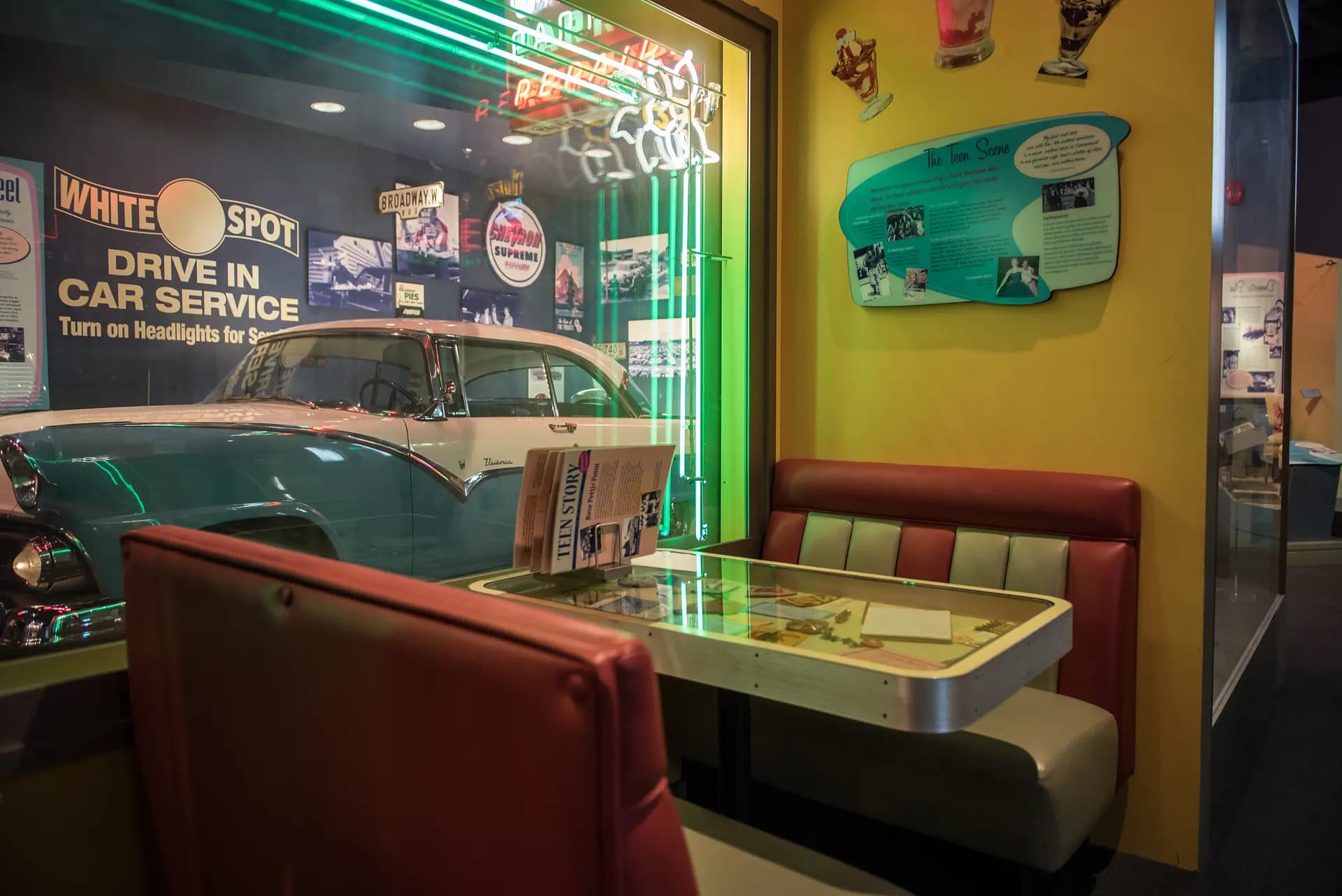
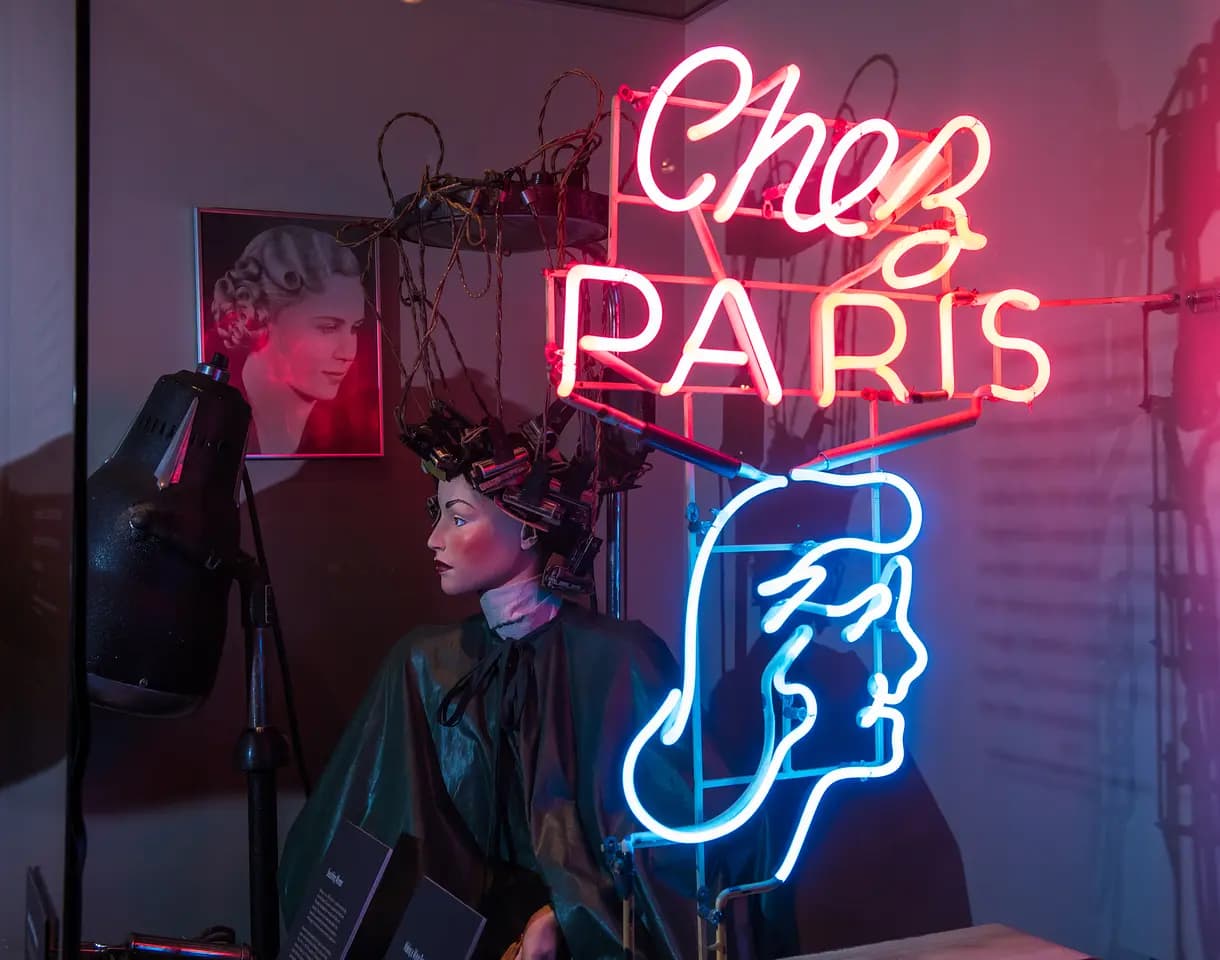
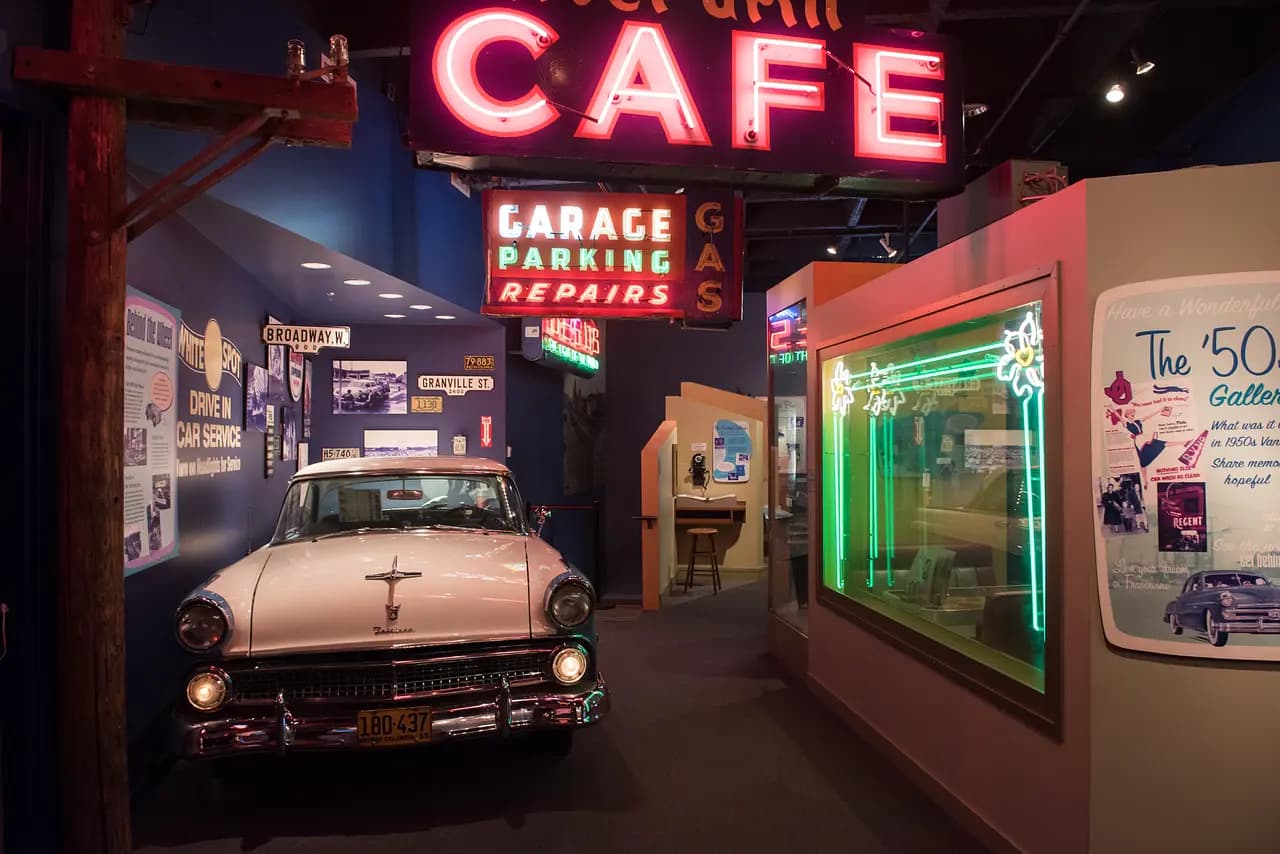
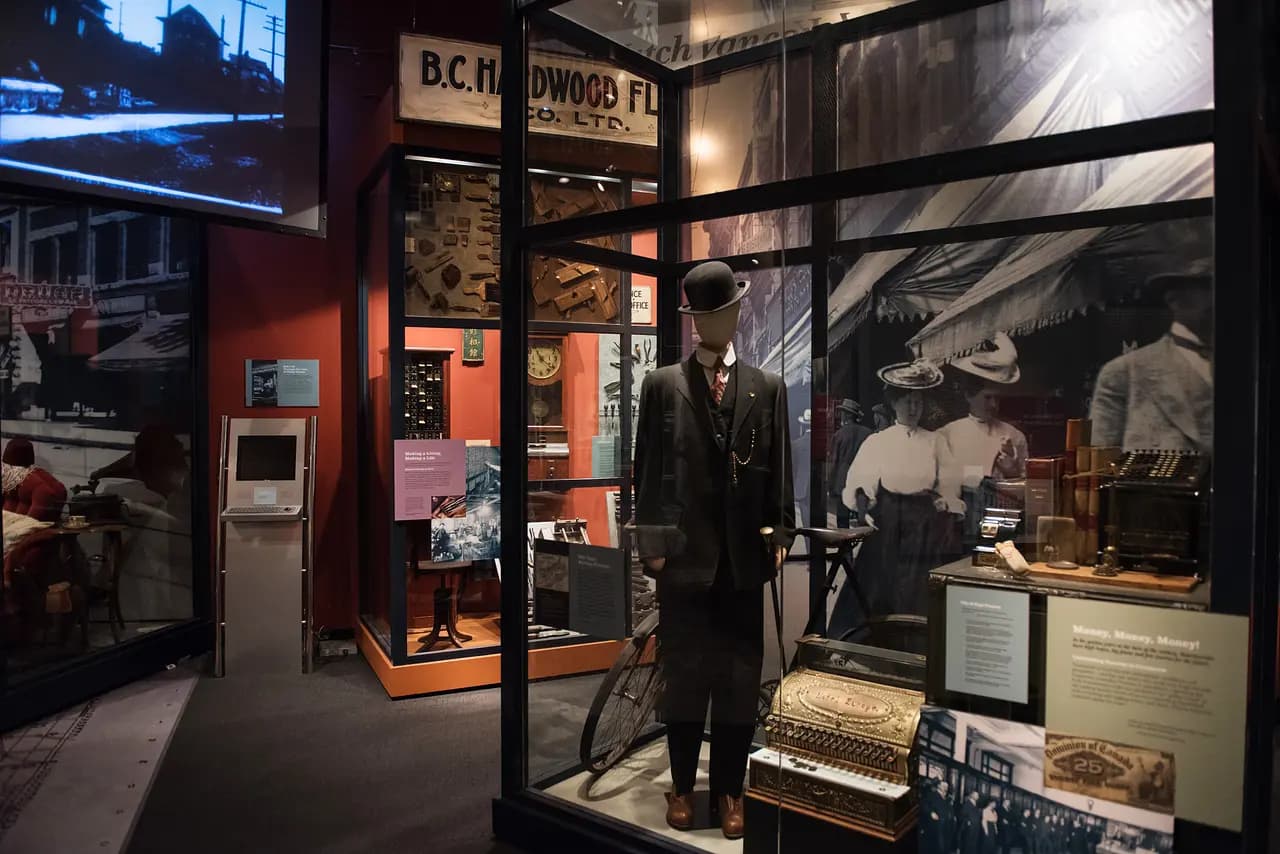
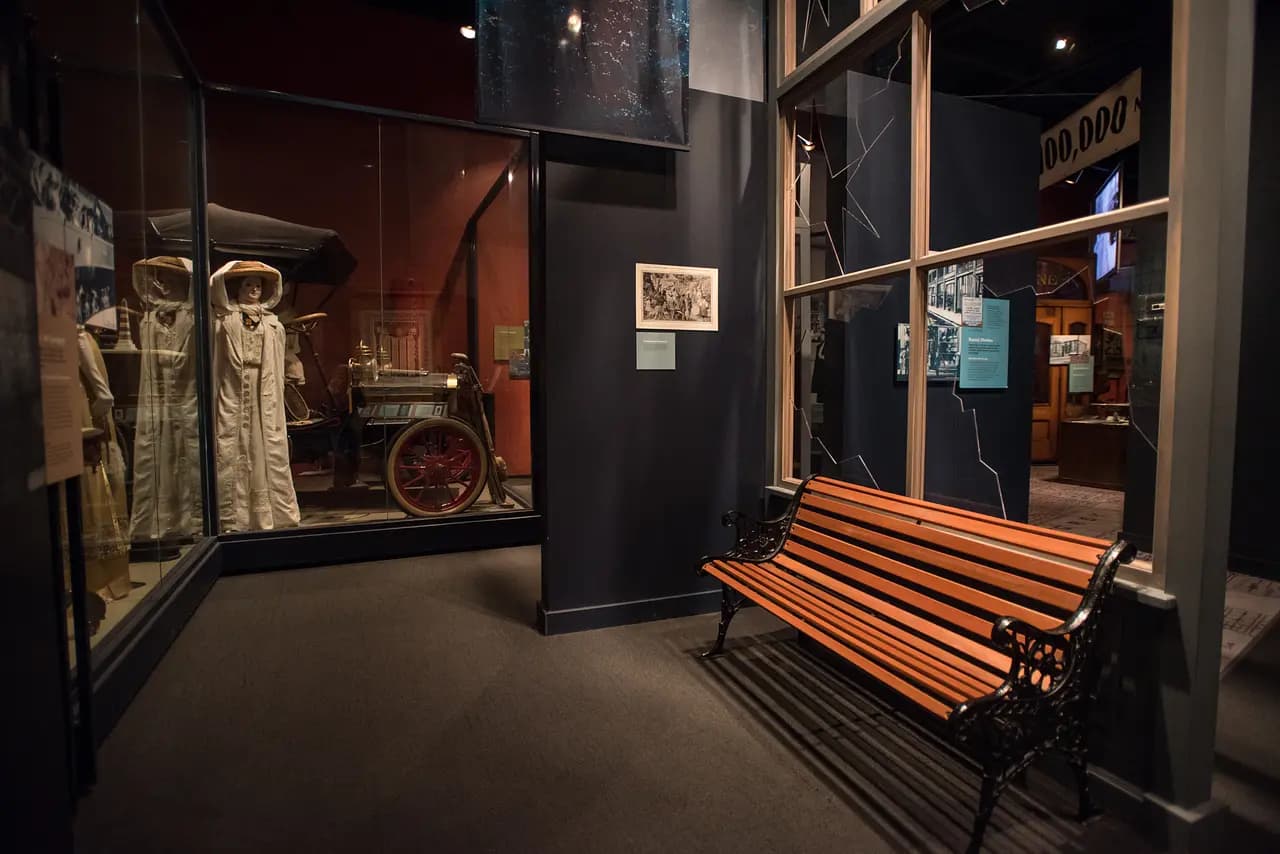
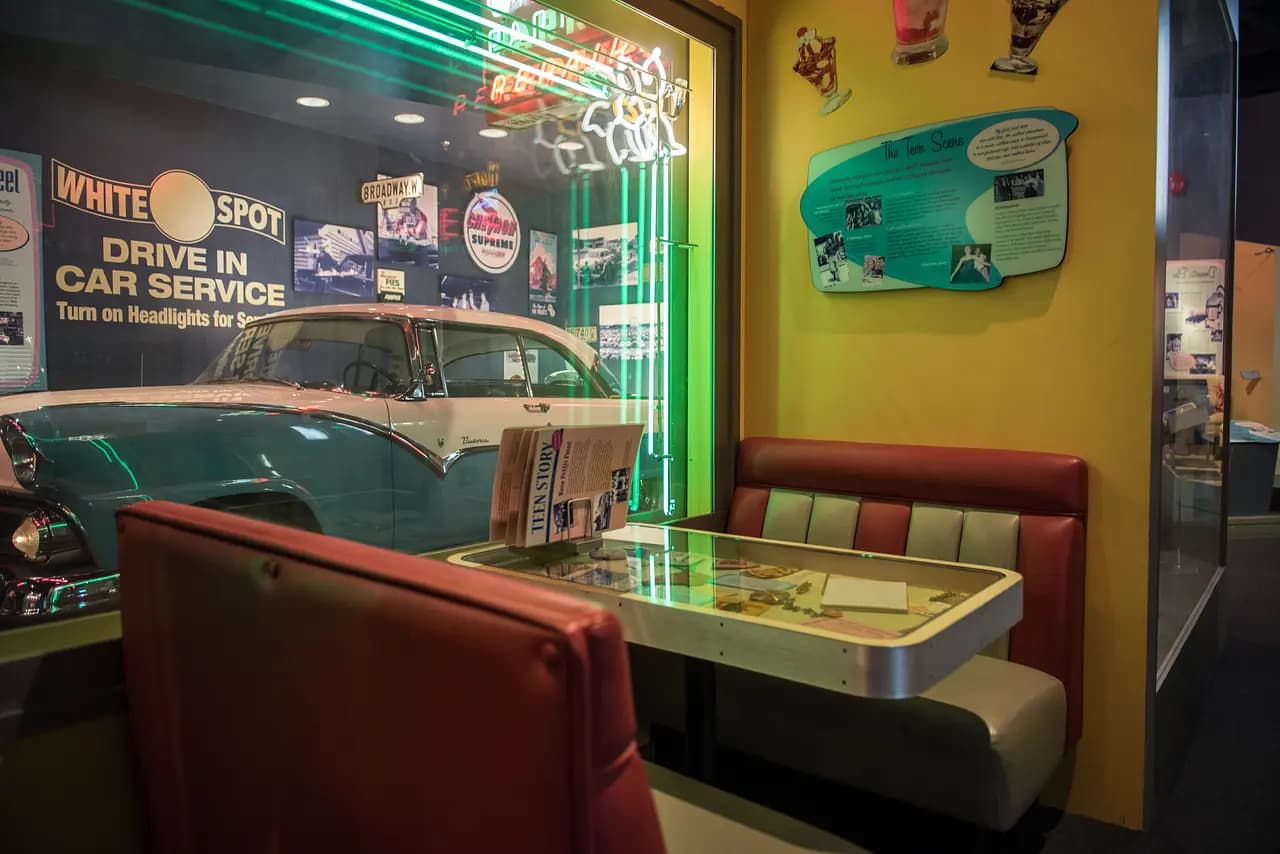
The hippie capital of Canada. More neon than Vegas. Indigenous knowledge, immigration and racism. Deforestation and urban development. Activism and art. Vancouver’s story begins here.
The Museum of Vancouver showcases the city’s history and new exhibitions on art, design, culture and more every few months. Visit Vancouver’s oldest cultural institution—a gathering space that fosters connection, learning, and new experiences of Vancouver’s diverse communities and histories.
Current Exhibitions:
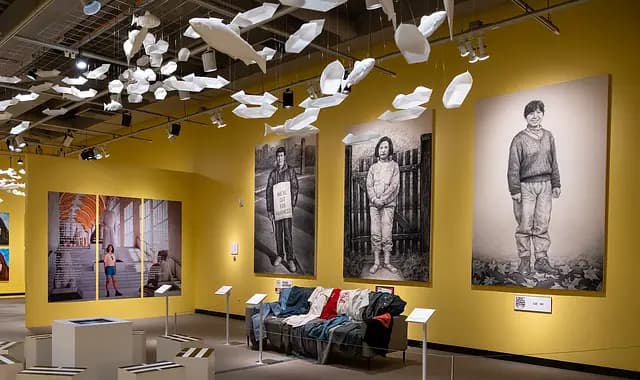
Becoming: The Art of Gu Xiong traces the evolution of Gu Xiong’s artistic practice and highlights landmark pieces from his 50-year career. An internationally recognized multidisciplinary artist, Gu works across mediums, including painting, sculpture, photography, video, and site-specific installations. His work redefines how we understand migration, hybridity and globalization.
The Suitcase Project asks, “What would you pack if you were forcibly removed from your home today?” In 1942, approximately 23,000 Japanese Canadians and more than 100,000 Japanese Americans living on the west coast were uprooted from their homes and placed in internment camps or incarceration. Photographed by Kayla Isomura, subjects for The Suitcase Project were given 24 to 48 hours’ notice to assemble their things, similar to what many Japanese Canadians faced in 1942.
Hours

Additional Information
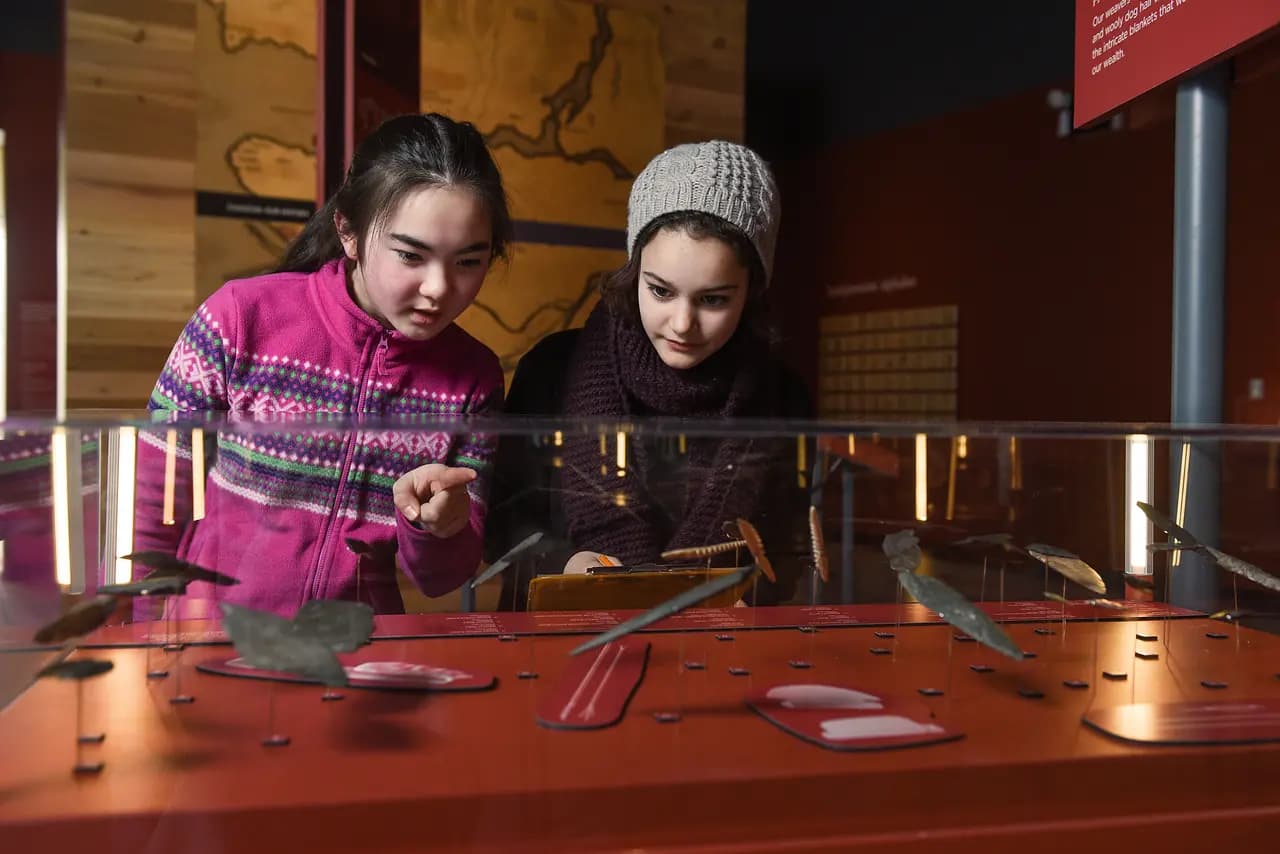
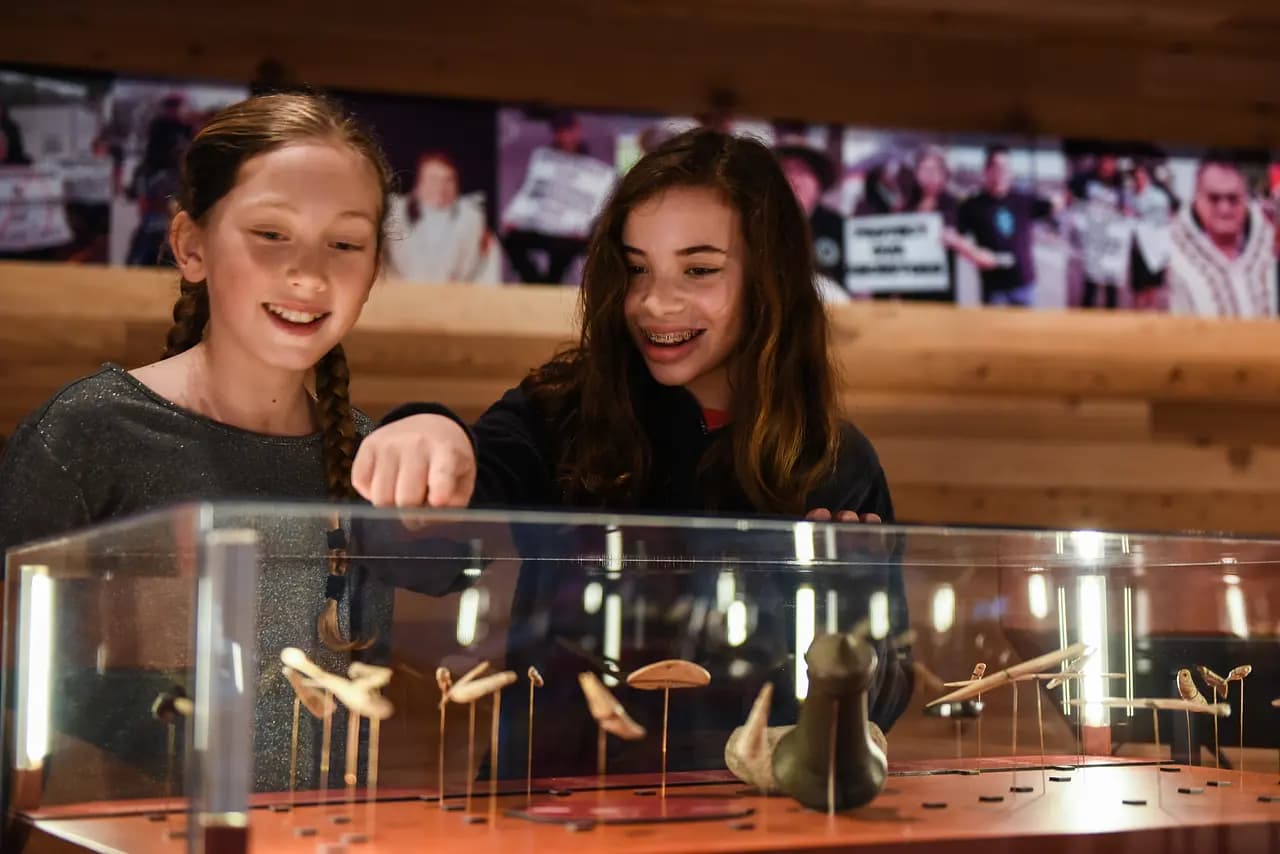
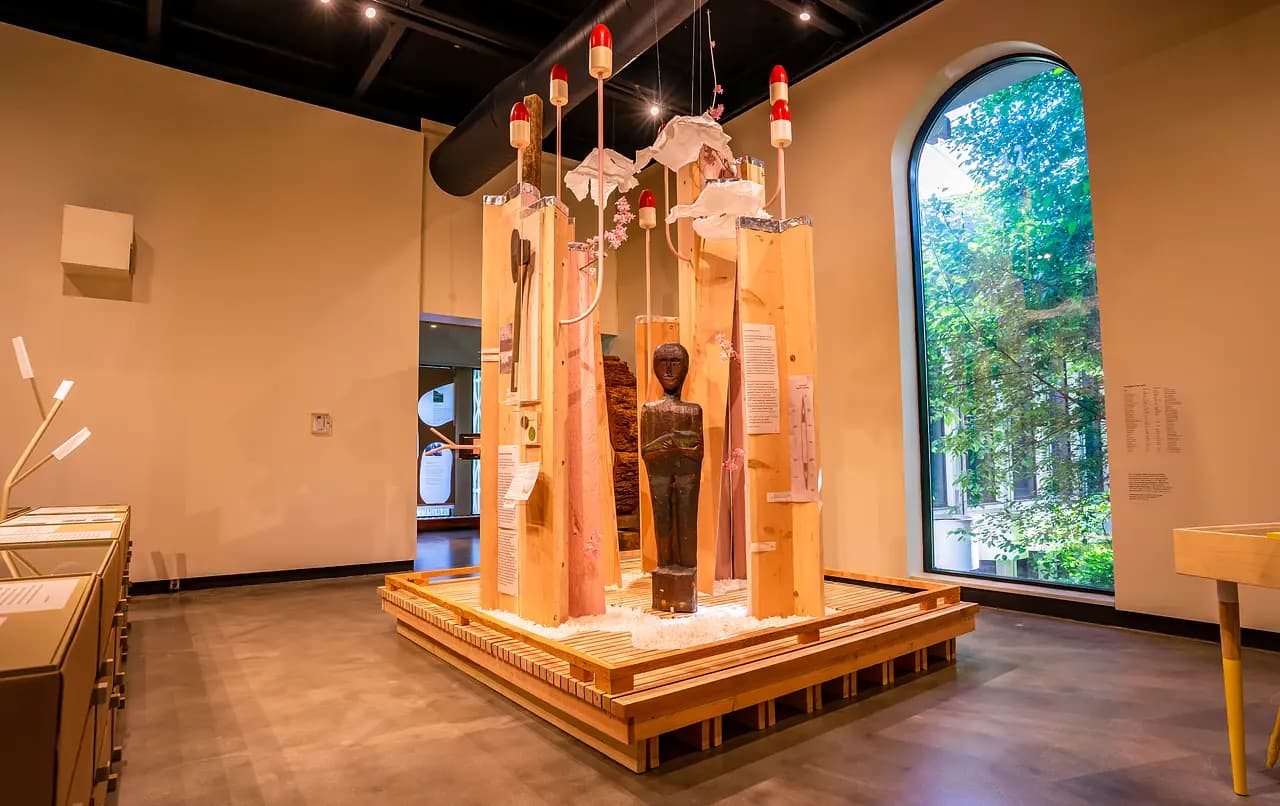
Knowledge Repatriation is an MOV cultural revitalization initiative that responds to community identified needs. Projects are designed to reintroduce traditional knowledge to host nation communities by bringing participants together with knowledge holders from neighbouring communities.
Tracker, Final Destination Bloodlines
Explore More Attractions
Capilano Suspension Bridge Park
Sightseeing Nature Wildlife
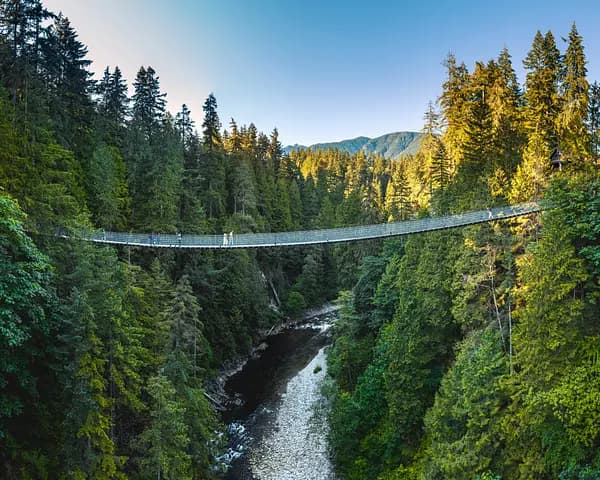
Discover breathtaking natural beauty and family-friendly adventure at Capilano Suspension Bridge Park in Vancouver, British Columbia. Cross the iconic suspension bridge soaring high above the canyon, explore the lush rainforest canopy at Treetops Adventure, and brave the thrilling Cliffwalk along the granite cliffside. With fascinating history, stunning views, and immersive experiences for all ages, it’s one of BC’s most unforgettable attractions.
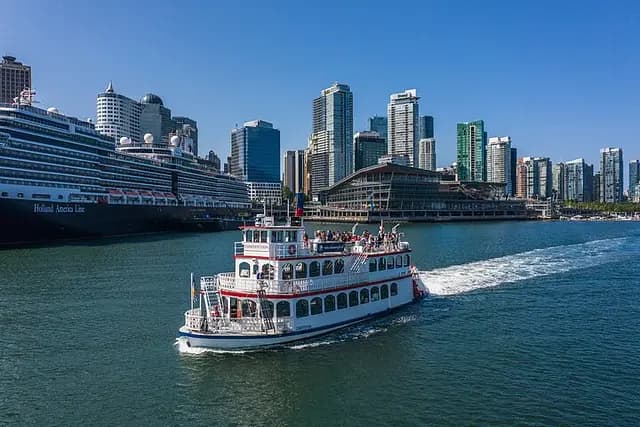
Harbour Cruises
Sightseeing Nature Wildlife
From sightseeing tours to unforgettable dining experiences, Harbour Cruises offers the best way to experience Vancouver from its most beautiful perspective — the water.
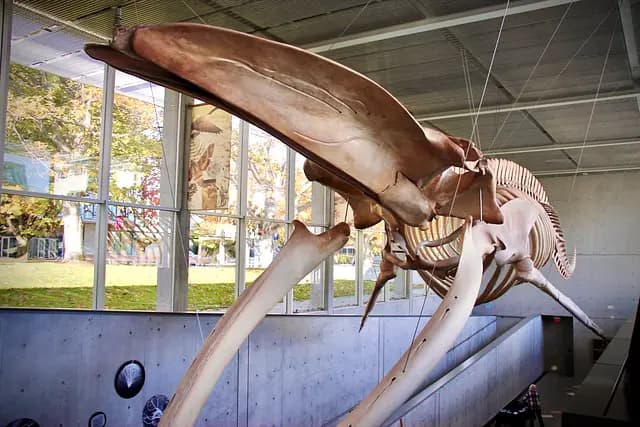
Beaty Biodiversity Museum
Museums Galleries Culture
The Beaty Biodiversity Museum is Vancouver’s natural history museum, inviting you to discover how all life on Earth is interconnected and the role we play in protecting these fragile natural systems. Explore more than 500 exhibits showcasing the diversity of life, including the awe-inspiring jaws of the largest animal ever to live, the blue whale.
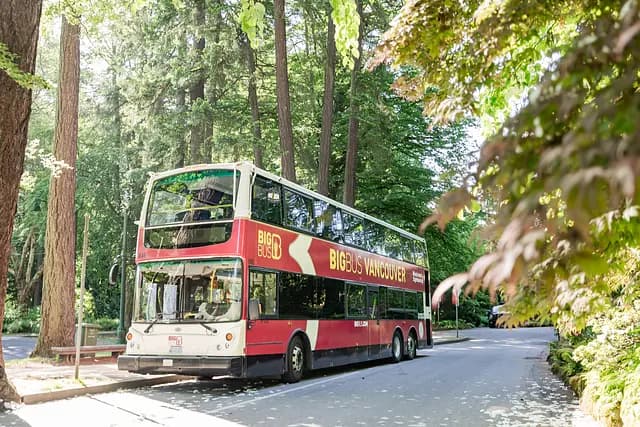
Big Bus Vancouver
Sightseeing Nature Wildlife
Discover Vancouver with our hop-on, hop-off bus tours! Enjoy stunning waterfront views, explore historic neighborhoods like Stanley Park, Granville Island and Gastown, and see Vancouver landmarks at your own pace.
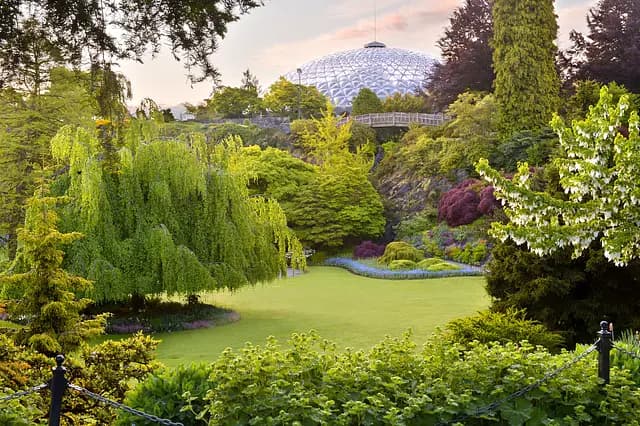
Bloedel Conservatory
Gardens Conservatories
Experience Bloedel Conservatory, a fun, family-friendly indoor attraction located at the peak of Vancouver in Queen Elizabeth Park. Discover exotic birds, koi fish and over 500 kinds of tropical plants inside the dome! After your visit explore the fountains, gardens and city views from Queen Elizabeth Park.
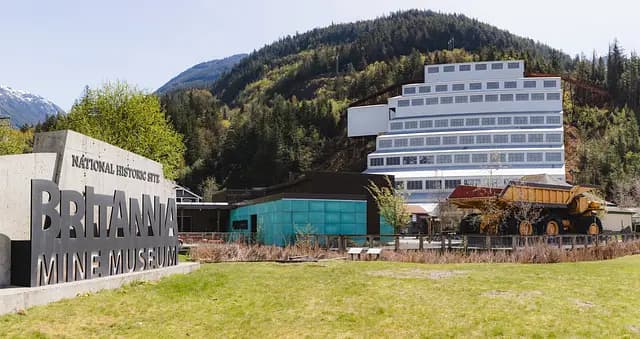
Britannia Mine Museum
Museums Galleries Culture
Discover Britannia Mine Museum, a unique Sea-to-Sky attraction where history, science, and hands-on discovery come together. Ride the underground train into the historic mine tunnel, experience the award-winning BOOM! multi-sensory show, and explore interactive exhibits that reveal how mining shaped British Columbia. Throughout the year, visitors can enjoy special events, seasonal activities, and holiday programming that bring Britannia’s rich mining story to life for guests of all ages.
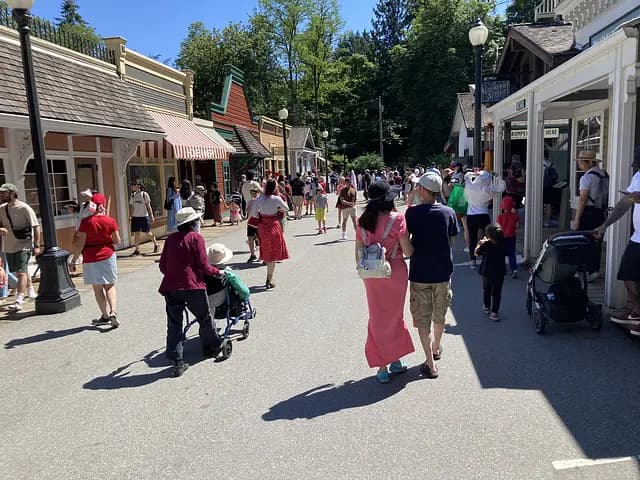
Burnaby Village Museum
Museums Galleries Culture
Burnaby Village Museum is a vibrant, 10 acre open air museum set in scenic Deer Lake Park. Explore 1920s style heritage buildings, where museum interpreters bring Burnaby’s diverse history to life through live demonstrations and hands on experiences. Visit the Indigenous Learning House, step inside the 1893 Love Farmhouse, or ride the historic and beautifully restored 1912 C.W. Parker Carousel.
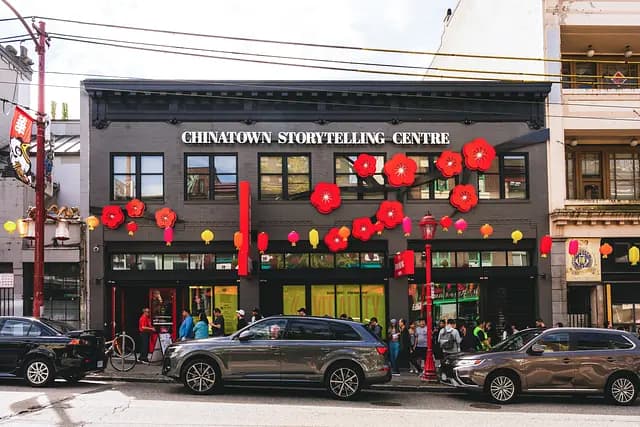
Chinatown Storytelling Centre
Museums Galleries Culture
Explore the stories of one of Vancouver's first neighbourhoods, located a 10-minute walk from Downtown.
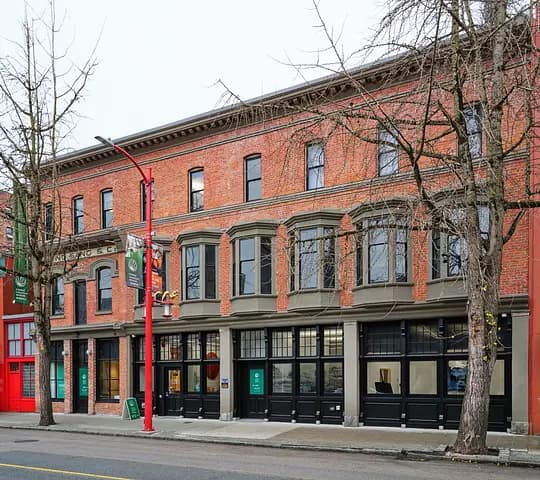
Chinese Canadian Museum
Museums Galleries Culture
Located in the oldest brick building in Vancouver's Chinatown, the Chinese Canadian Museum elevates the diverse history and voices of Chinese Canadians across the country. Come visit the first museum of its kind in Canada, featuring 3 storeys of exhibitions, an immersive retail store, and a rooftop garden.
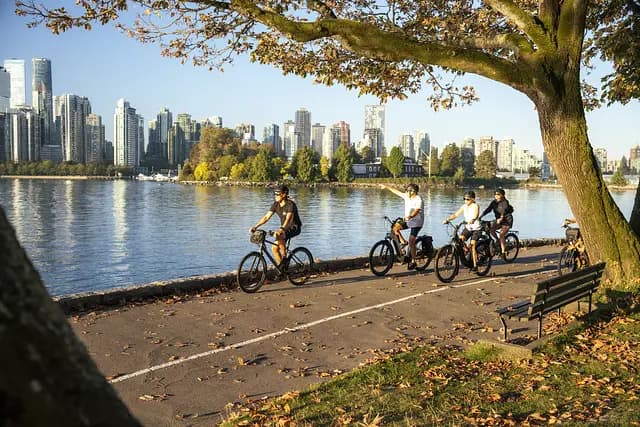
Cycle City Bike Rentals
Sightseeing Nature Wildlife
Vancouver is known as one of the top cycling destinations on the continent with its incredible bike paths, mild climate, and water and mountain views. Cycle City is Vancouver's top bicycle tour and rental company offering a great selection of adult bikes, youth bikes, and children's' accessories along with complimentary detailed city bike touring maps and riding advice. Hop on a bike and get out there!
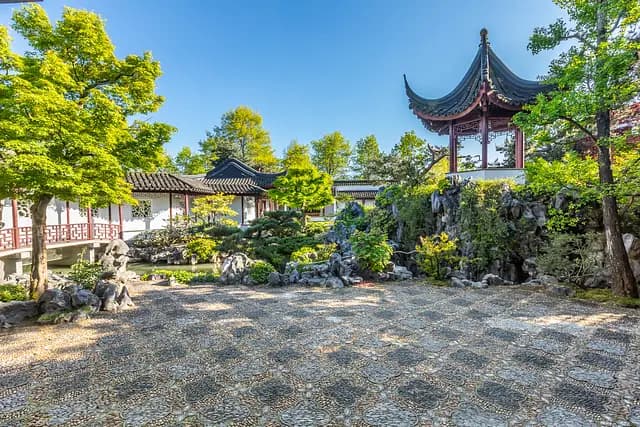
Dr. Sun Yat-Sen Classical Chinese Garden
Gardens Conservatories
Dr. Sun Yat-Sen Classical Chinese Garden is the world's first full-scale Ming dynasty-style garden built outside of China. A unique institution for cultural programming and events, the Garden hosts guided tours, exhibitions, and educational programs that offer in-depth opportunities for visitors to explore Classical Chinese culture and local history.
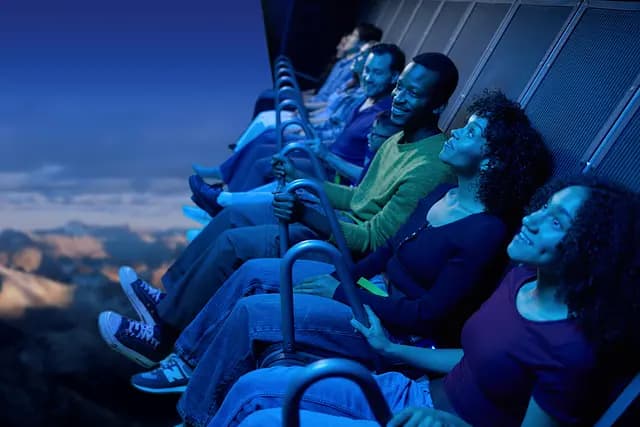
Flyover in Vancouver
Amusement Parks Rides
Discover absolute awe in one immersive flying theatre experience. Flyover amplifies all your senses to immerse you in landscapes, stories and cultures that change you. Using the power of unique perspectives, the sensations of flight, experience the sights, sounds, and scents of the world’s most iconic places, like never before.
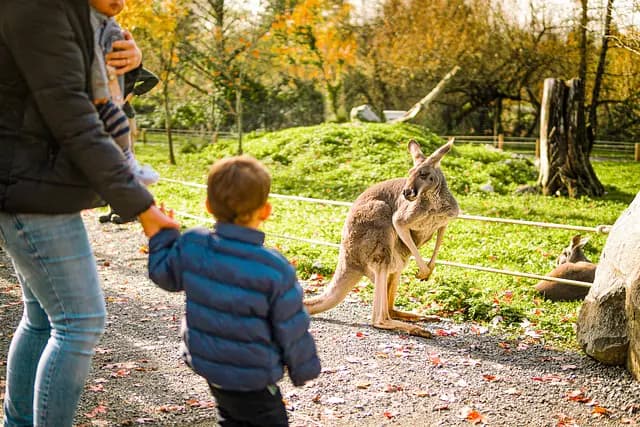
Greater Vancouver Zoo
Sightseeing Nature Wildlife
Dedicated to education and conservation, the Greater Vancouver Zoo is home to over 67 incredible species across 120 acres in the heart of the Fraser Valley. Our mission is to inspire appreciation for our ecosystems and support regional conservation efforts, with many of our 500 animals arriving as rescues or orphans.
Grouse Mountain
Sightseeing Nature Wildlife
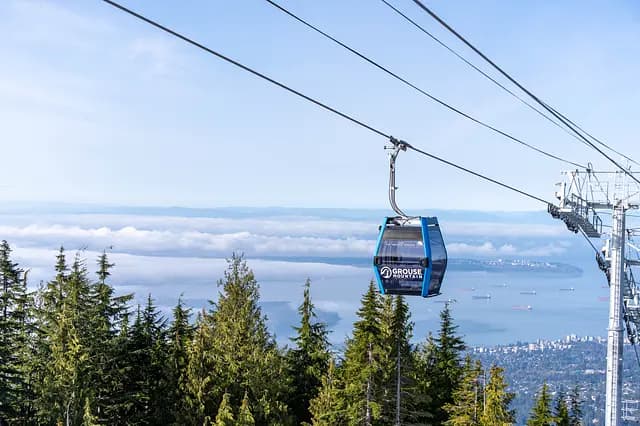
Grouse Mountain is Vancouver’s all-season playground, located 25 minutes from downtown. During summer, the mountain offers Peak Thrills with the new Grouse Gravity Coaster, ziplines, mountain biking, hiking, wildlife encounters and authentic Canadian outdoor experiences. In winter, alpine activities include skiing, snowboarding and snowshoeing. Year-round, guests enjoy scenic gondola rides, mountaintop dining, and the ultimate panoramic city views. With family-friendly activities and seasonal events, Grouse Mountain is one of the Lower Mainland’s most iconic destinations.
H.R. MacMillan Space Centre
Museums Galleries Culture
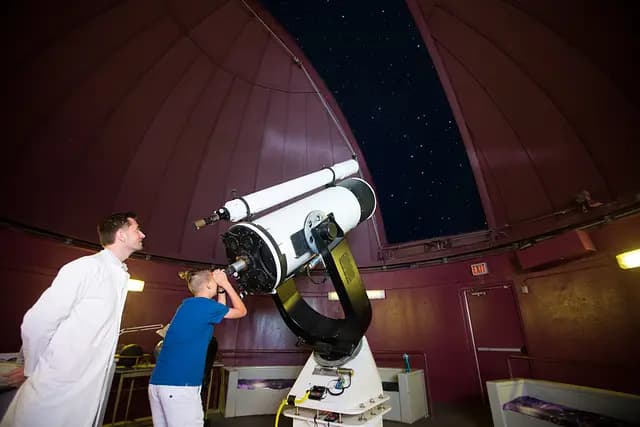
Witness stunning visuals in our immersive 360° Planetarium Star Theatre, explore our handpicked wonders of the universe in the Cosmic Courtyard, and catch a live science demo at Ground Station Canada Theatre. On select nights, look through our telescope for a closer view of real celestial objects. Whether you're a space enthusiast or planning a fun family outing, the Space Centre promises an unforgettable, curiosity-sparking adventure.